
-
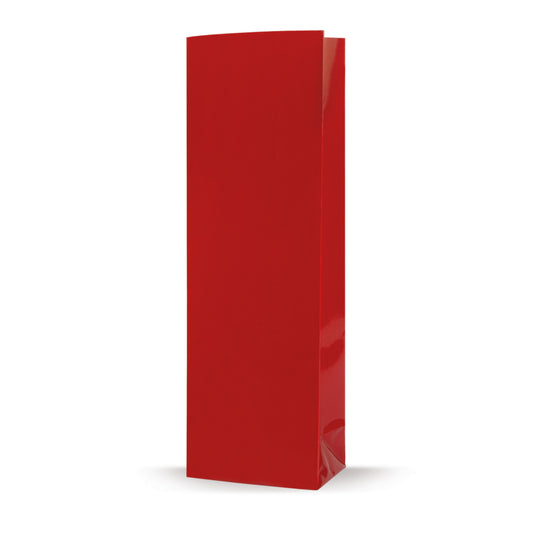
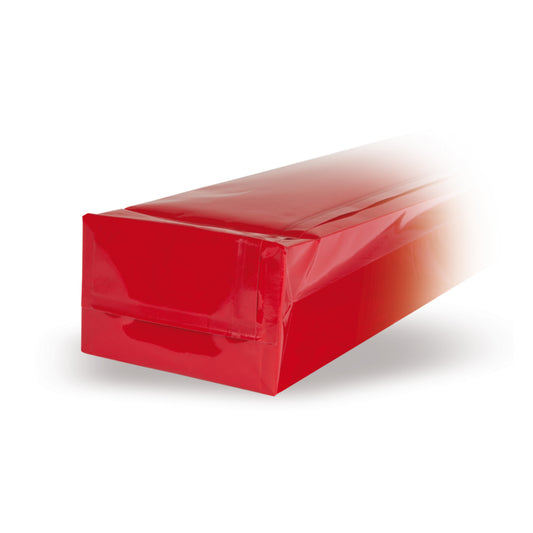 Regular price From 60,45 €Regular price
 -
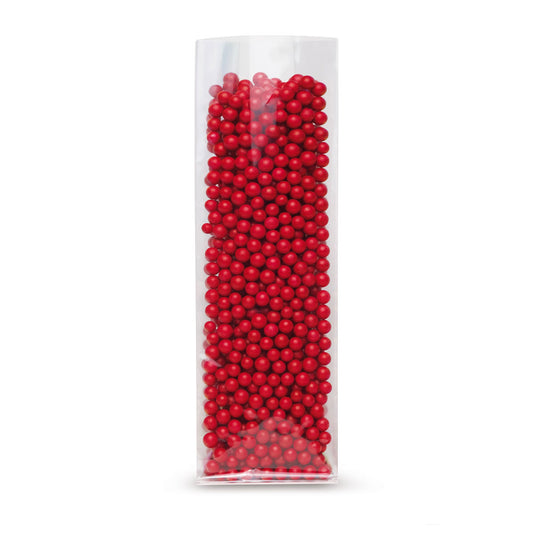
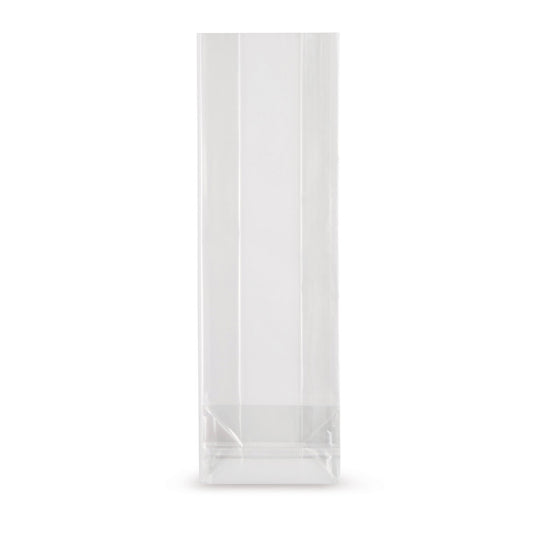 Regular price From 40,94 €Regular price
 -
 Regular price From 49,91 €Regular price
 -
 Regular price From 49,50 €Regular price
 -
 Regular price From 53,81 €Regular price
 -
Regular price From 38,34 €Regular price
More block bottom bag variants
- Block bottom bags overview
- Block bottom bags for tea
- Block bottom bags for spices
- Block bottom bags for food
- Block bottom bags with window
- Block bottom bags made of kraft paper
Popular individual products from this range:
Shipping & terms
Shipping from our German warehouse. Standard coffee sizes are usually in stock; custom printing is scheduled individually within the delivery window. No minimum order value. All customers – B2B and B2C alike – receive volume pricing. Free samples and declarations of conformity on request.
What are block bottom bags for coffee?
Block bottom bags for coffee are the classic premium packaging of the roastery industry. They have a rectangular block bottom for a stable stand on the shelf and a multi-layer laminated film with an aluminum layer as the highest aroma barrier. Coffee is one of the most aroma-sensitive natural products of all: freshly roasted beans develop complex aromatic compounds within seconds, which are rapidly destroyed by oxygen, moisture, UV light and temperature changes. A poorly designed pack can degrade a bean worth 5 EUR per kg to a 1 EUR level within a few days.
The special feature of coffee packaging is the aroma protection valve: freshly roasted coffee releases large amounts of CO2 in the first 24–72 hours. Without a valve, the bag either swells up (or bursts) or the roastery has to wait 1–2 days before it can pack – days during which the aroma is already breaking down. The aroma protection valve lets CO2 escape to the outside but keeps oxygen out. This allows packing immediately after roasting – with maximum aroma retention.
Our range of block bottom bags for coffee covers typical fill volumes from 100 g (sample packs) to 1 kg (catering and premium packs). With or without an aroma protection valve, with or without a resealable zip closure, in a matt or glossy finish. Food-grade compliance to EU 10/2011 is standard, and custom printing with your own brand look is available. For sustainable brands we offer mono-material variants with a slightly lower aroma barrier, but with full recyclability via the Yellow Bag.
What are coffee block bottom bags suitable for?
- Freshly roasted coffee beans: the absolute core business of every roastery
- Ground coffee: espresso, filter, French press – the aroma barrier is especially important here
- Single-origin & specialty coffees: high-price ranges with premium packaging demands
- Organic & fair-trade coffees: brands with an ethical claim and premium positioning
- Gift and sample sets: small packs for sampling or gift boxes
- Catering & office-coffee packs: 500 g–1 kg standard sizes for professional use
Which coffee bag is the right one?
- Fill volume 100–125 g: sample packs, single editions, gift sets
- Fill volume 250–500 g: standard retail consumer pack
- Fill volume 500 g–1 kg: catering, office and premium packs
- With an aroma protection valve: essential for freshly roasted beans (CO2 degassing)
- Without a valve: only for degassed or vacuum-packed beans
- With a zip closure: resealability for consumer aroma protection
- Matt surface: premium producer look
- High-gloss surface: modern, urban-cool branding look
Your advantages with coffee block bottom bags from Elke Plastic
We have imported premium packaging bags directly from the manufacturer since 1976. For coffee roasteries this means: you get aluminum laminate films with reliable aroma-protection performance on terms normally reserved for international brands. At the same time we keep standard sizes in stock, so even smaller producer roasteries can start without large runs.
Our packaging specialists know the requirements of freshly roasted coffees from thousands of roastery projects: which aluminum structure stays reliably sealed? How is the aroma protection valve fitted correctly? Which printing is compatible with the escape of CO2? Which film maintains aroma stability for 36 months? We help you make the right choice from the start – instead of learning from complaints in the market.
Shipping is from our German warehouse. Standard coffee sizes are usually in stock; custom printing is scheduled individually within the delivery window. Roasteries and all customers – B2B and B2C alike – receive volume pricing. Free samples are a matter of course – test the aroma protection, valve function and film feel before your main order.
Frequently asked questions about coffee block bottom bags
Why do I need an aroma protection valve for coffee?
Freshly roasted coffee releases large amounts of CO2 in the first 24–72 hours. Without a valve, the bag would either swell up and burst, or the roastery would have to wait 24–72 hours before packing – during which the aroma already breaks down. The valve lets CO2 escape but keeps oxygen out – the optimal solution for freshness and aroma.
How do block bottom bags and stand-up pouches for coffee differ?
Block bottom bags have a rectangular, classic bottom and stand squarely on the shelf – a traditional roastery look. Stand-up pouches (doypacks) have a K-shaped bottom and feel more modern. For premium and traditional roasteries, block bottom is often the first choice; for specialty coffee and hipster brands, stand-up tends to be preferred.
With or without a zip closure?
In the consumer segment, a zip closure is now standard – consumers open the pack repeatedly. Without a zip, the loss of freshness after opening can be significant. For catering or high-consumption packs that are used up quickly, a zip can be omitted.
Which fill size is standard?
In the consumer segment, 250 g and 500 g dominate. Specialty coffee often opts for 150–250 g to underline the freshness message. Catering and office-coffee packs are typically 500 g–1 kg.
How long does packaged coffee keep?
With an aluminum laminate and a valve, typically 12–18 months unopened. Once opened, coffee should be used within 2–4 weeks, ground coffee sooner (1–2 weeks). Freezer storage extends freshness considerably.
Are aluminum laminate bags recyclable?
Classic aluminum laminate bags are only recyclable to a limited extent (residual waste). For recyclability we offer mono-material variants with a high-barrier EVOH – the aroma-protection effect is slightly lower than with aluminum, but sufficient for standard coffee.
What quantities should I order?
Stock items in standard sizes are available from the warehouse. Custom printing pays off from larger runs. For producer roasteries we recommend starting with standard labelling – and switching to your own print on request.
Can I print organic and fair-trade logos?
Yes, provided the relevant certificates are in place. The EU organic logo, the Fairtrade label, Rainforest Alliance and others can be printed. For premium brands we recommend combining them with a kraft-paper-imitating outer layer or a matt surface.
Are the bags better suited to ground coffee or beans?
Both work. For ground coffee, the aroma barrier is especially important because the ground powder oxidises faster. For beans, the valve is even more critical because they release more CO2. Both benefit from an aluminum laminate.
What printing conveys specialty coffee?
Matt surfaces, natural-coloured designs, clearly legible single-origin information (roast date, growing region, roast level). Specialty-coffee consumers pay attention to detail and appreciate visibly high-quality packaging.
Which film thickness is optimal?
Standard coffee films have a total thickness of 80–120 microns with a 12-micron aluminum layer and a PE inner liner. For premium applications we go up to 150 microns with a reinforced outer layer. For mono-material variants, typically 100–140 microns.