
-
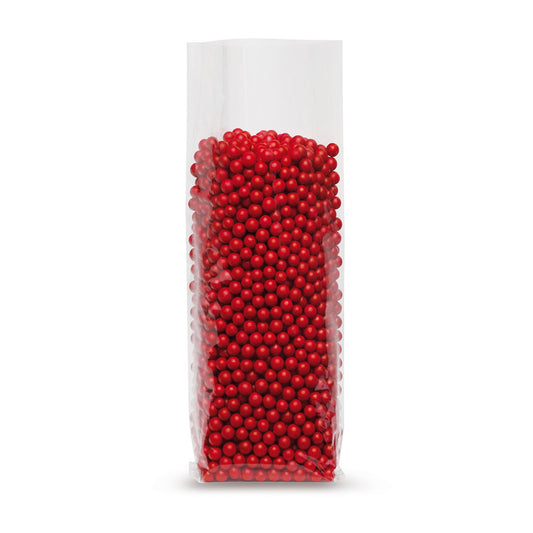
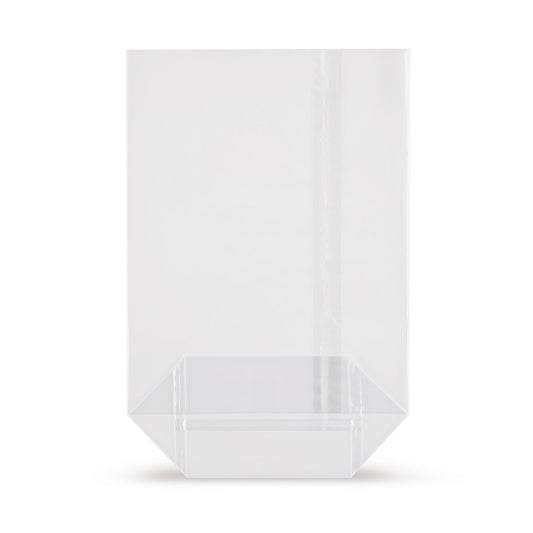 Regular price From 29,11 €Regular price
 -
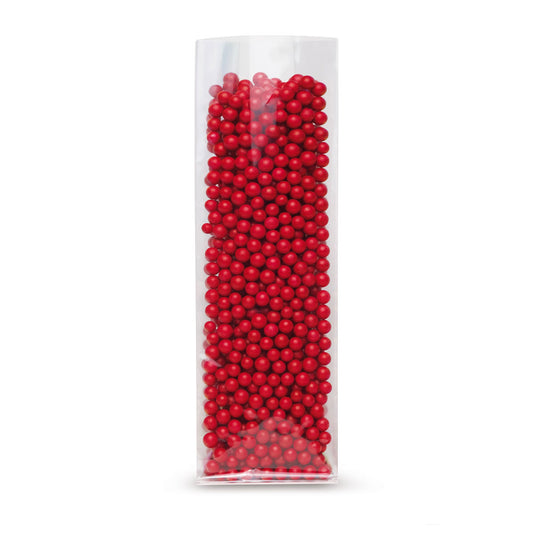
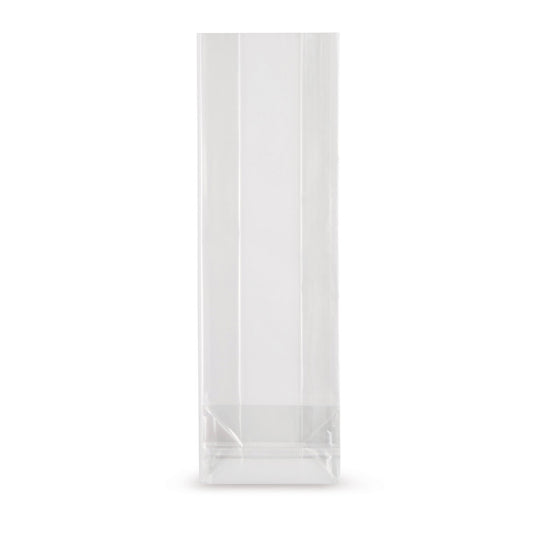 Regular price From 40,94 €Regular price
 -
 Regular price From 79,81 €Regular price
 -
 Regular price From 66,02 €Regular price
 -
 Regular price From 60,74 €Regular price
 -
 Regular price From 36,96 €Regular price
 -
 Regular price From 53,81 €Regular price
 -
 Regular price From 77,08 €Regular price
 -
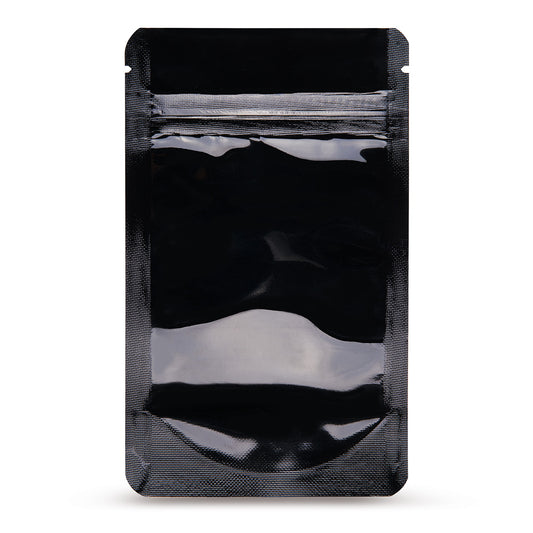
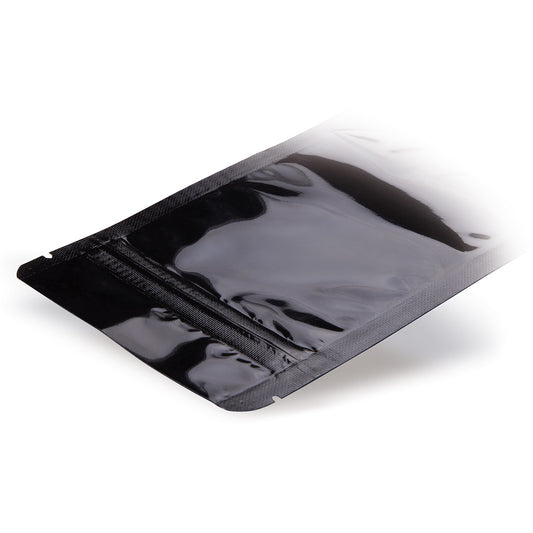 Regular price From 70,40 €Regular price
 -
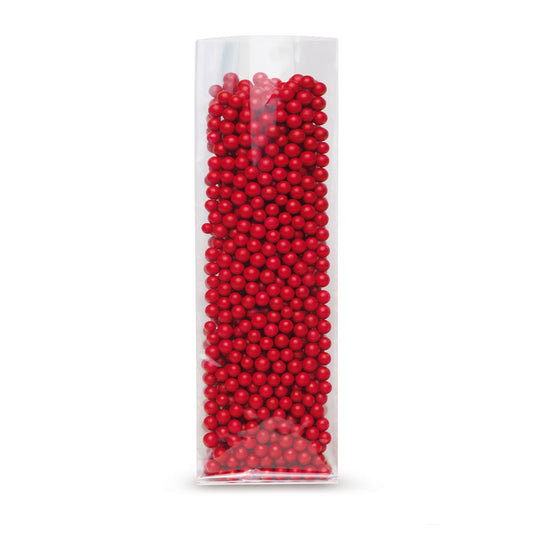
 Regular price From 49,91 €Regular price
 -
 Regular price From 14,03 €Regular price
 -
 Regular price From 70,40 €Regular price
 -
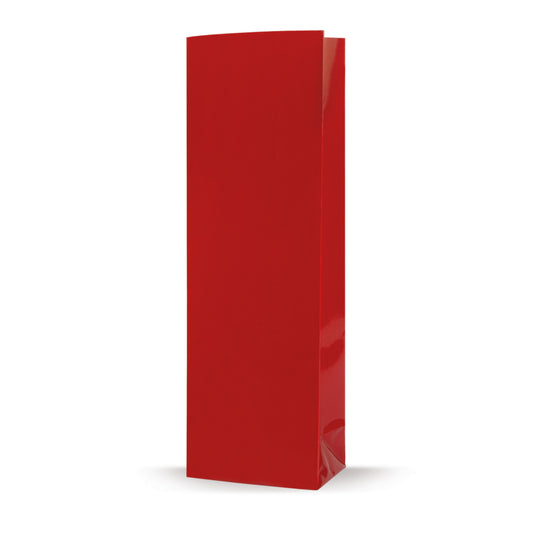
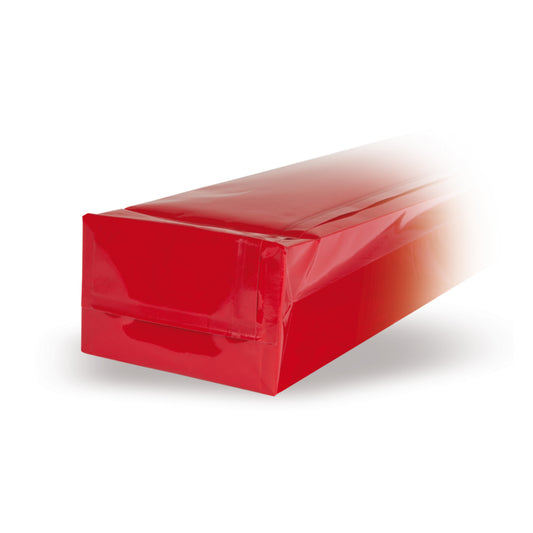 Regular price From 60,45 €Regular price
 -
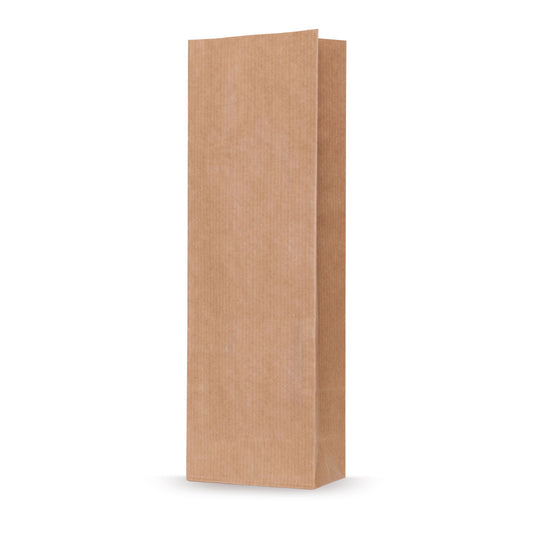
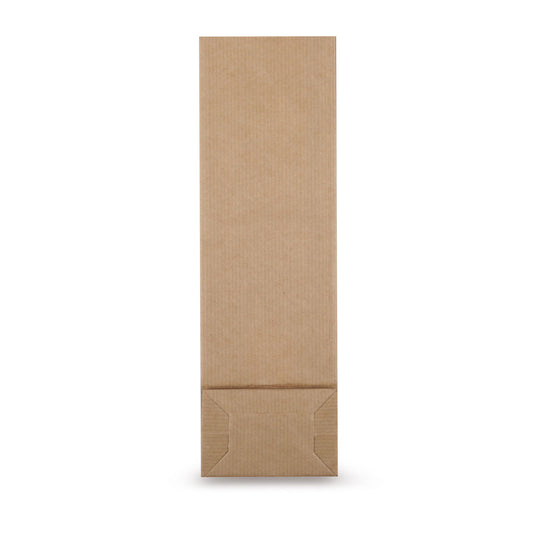 Regular price From 49,50 €Regular price
 -
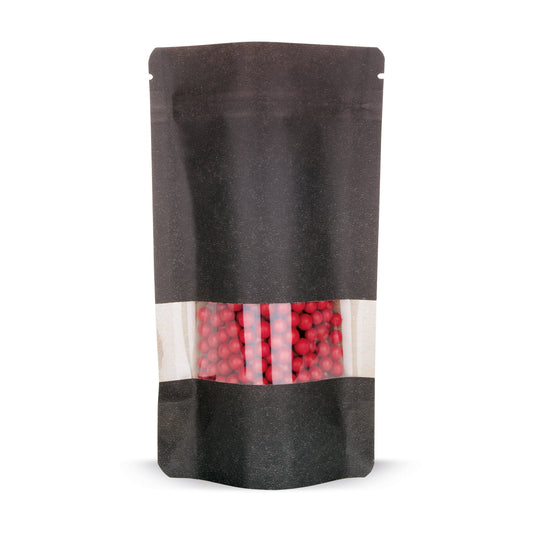
 Regular price From 76,49 €Regular price
 -
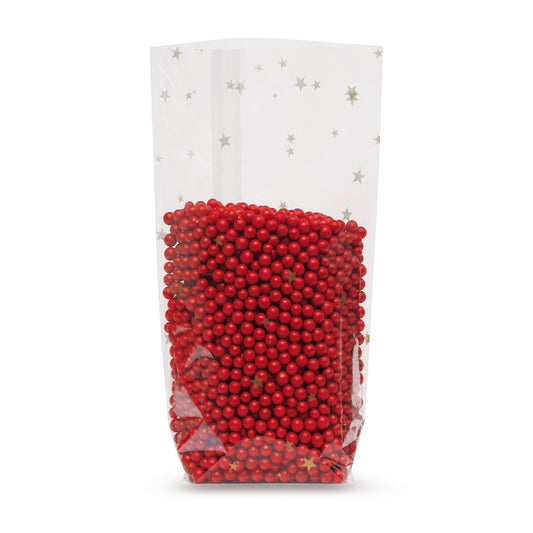
 Regular price From 35,90 €Regular price
 -
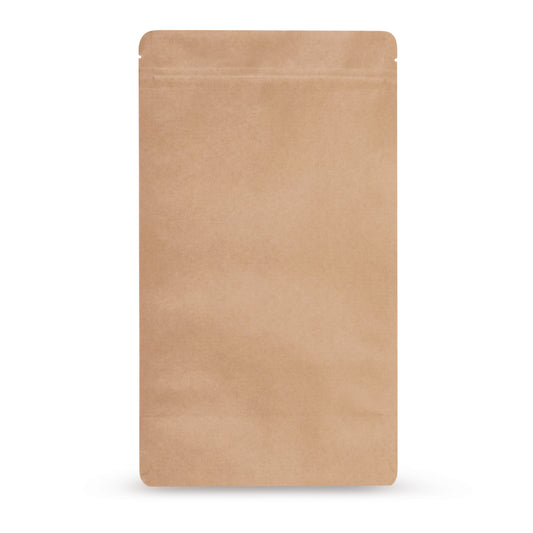
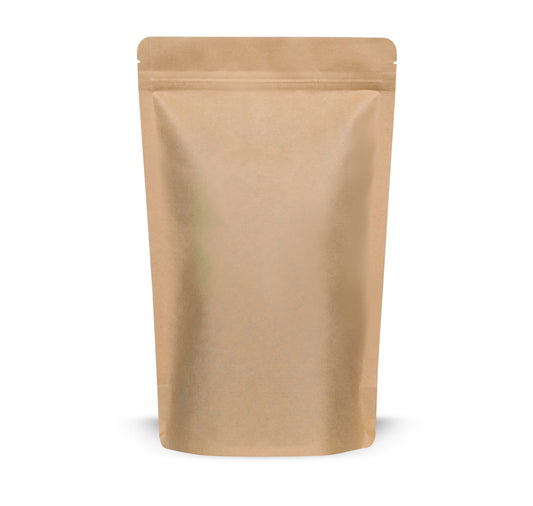 Regular price From 87,51 €Regular price
 -
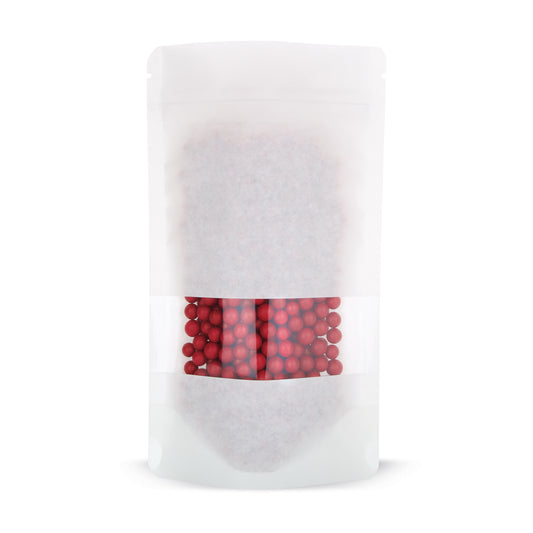
 Regular price From 69,10 €Regular price
 -
 Regular price From 162,70 €Regular price
 -
 Regular price From 139,02 €Regular price
 -
 Regular price From 156,20 €Regular price
 -
Regular price From 38,34 €Regular price
-
 Regular price From 190,96 €Regular price
 -
Regular price From 36,60 €Regular price
-
 Regular price From 233,20 €Regular price
 -
 Regular price From 233,20 €Regular price
 -
 Regular price From 205,69 €Regular price
 -
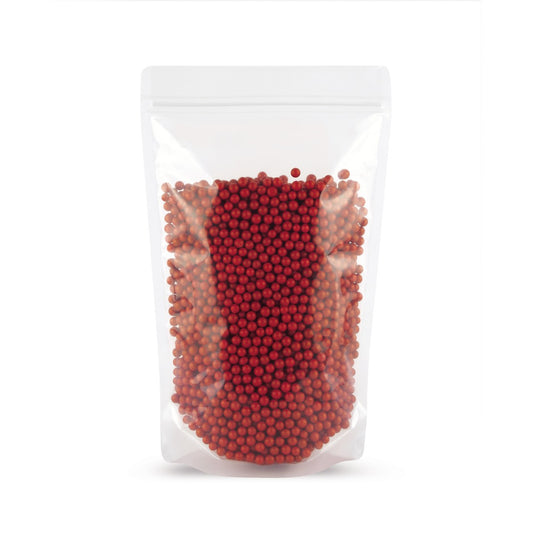
 Regular price From 91,43 €Regular price
 -
 Regular price From 228,18 €Regular price
 -
 Regular price From 233,20 €Regular price
 -
 Regular price From 233,20 €Regular price
 -
 Regular price From 235,04 €Regular price
Packaging overview for tea and related food areas
Tea packaging overlaps with coffee and spice packaging — many tea manufacturers also stock related ranges:
- Coffee packaging — if the tea manufacturer also stocks coffee, the same aroma protection requirement.
- Spice packaging — spice blends and herbs with similar aroma sensitivity.
- Food packaging — overview of all packaging certified for the Food Information Regulation.
- Stand-up pouches — all stand-up variants regardless of the contents.
- Block bottom bags — all block bottom variants for premium ranges.
- Sustainable packaging — mono-PE and kraft paper with PPWR compliance.
Popular tea packaging variants
The most popular tea packaging among our artisan customers:
- Stand-up pouches for tea — the classic for retail and online shops.
- Block bottom bags for tea — premium box form for artisan brands.
- Block bottom bags for herbs — a special form for herbal tea ranges.
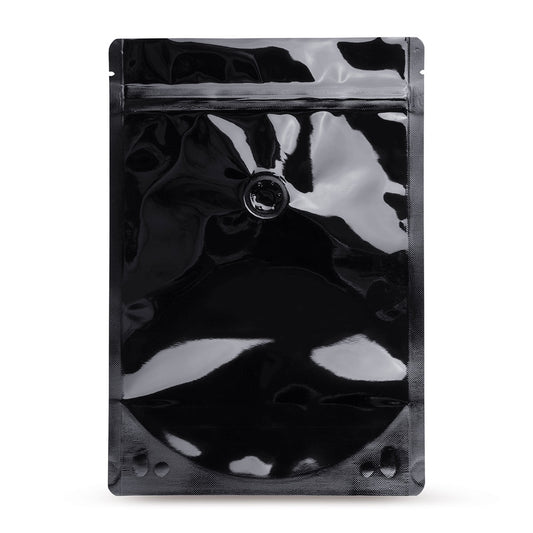
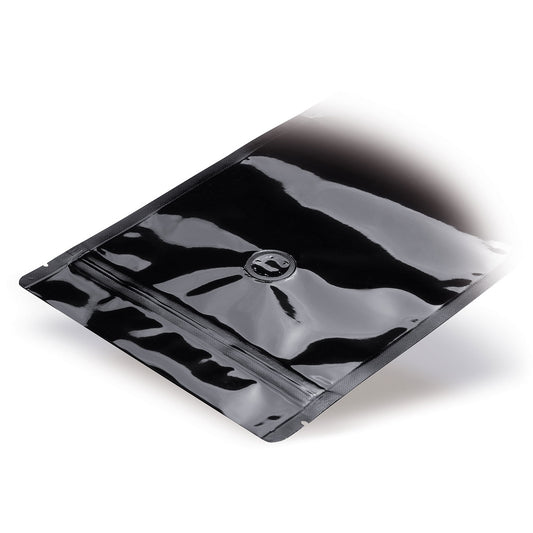
- Aluminum stand-up pouches — for matcha and specialty teas.
- Stand-up pouches with zip — resealable for consumers.
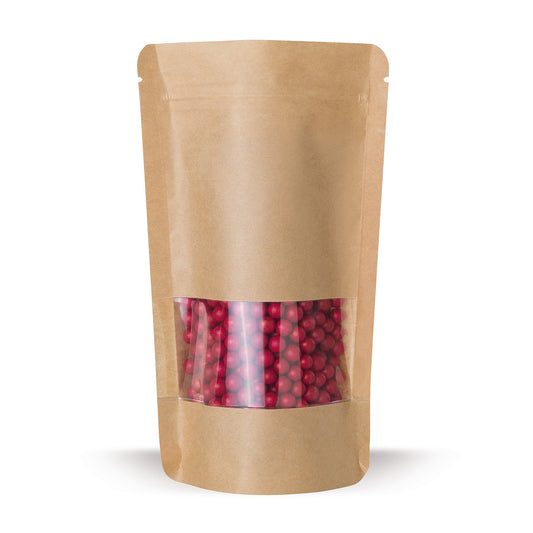
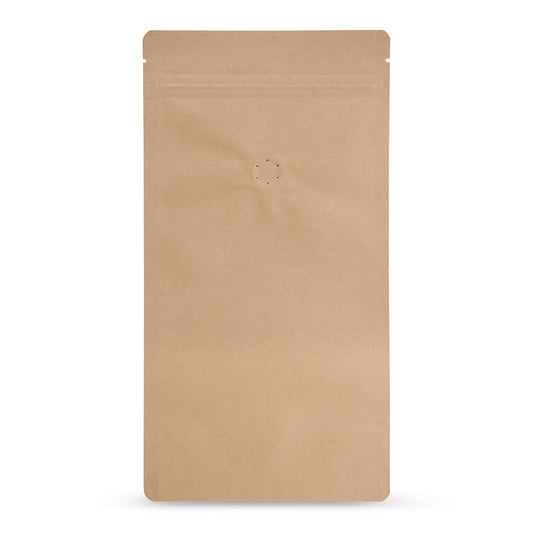
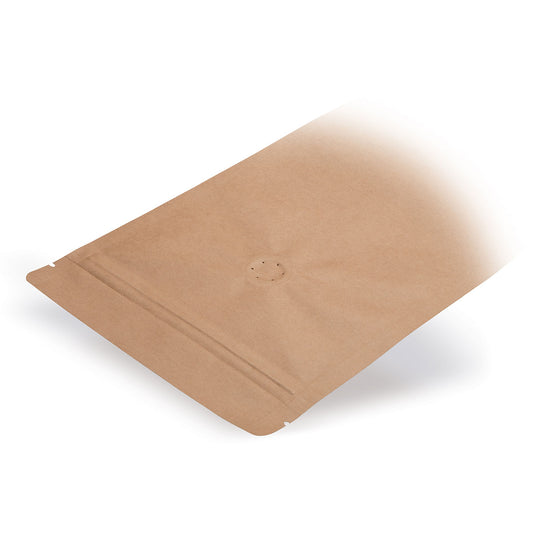
- Kraft paper stand-up pouches — organic brand look.
Popular individual products from this range:
Shipping & Delivery
We ship promptly and reliably from our German warehouse. For large orders, direct shipping by freight forwarder. For printed special sizes, the delivery time is arranged on an individual basis. Free shipping from €200 net within Germany.
What is tea packaging?
Tea packaging consists of aroma-protecting bags for loose tea, tea blends and tea-bag packaging. The main requirement: protection from oxygen, light and moisture – all three factors break down the essential oils that make up the tea aroma.
Typical material composites: PET12 / AL7 / LDPE110 (aluminum high barrier for maximum aroma protection), kraft paper / AL7 / LDPE (artisan look with the same barrier), mono-PE with EVOH barrier layer (recyclable, sufficient for tea with a best-before date of up to 18 months).
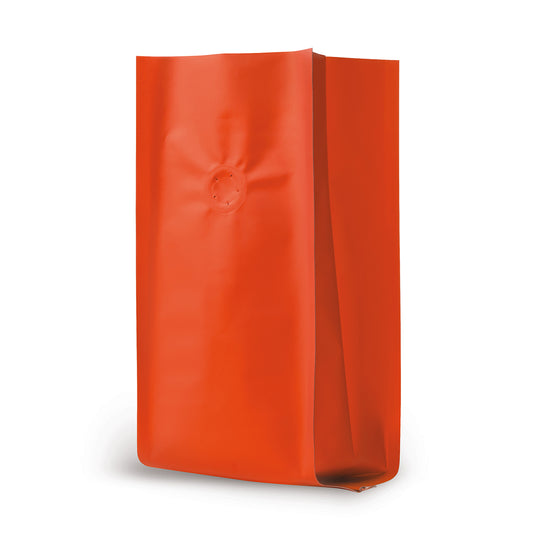
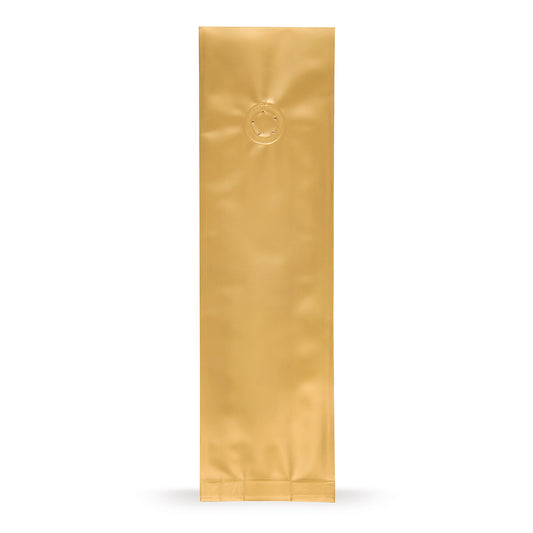
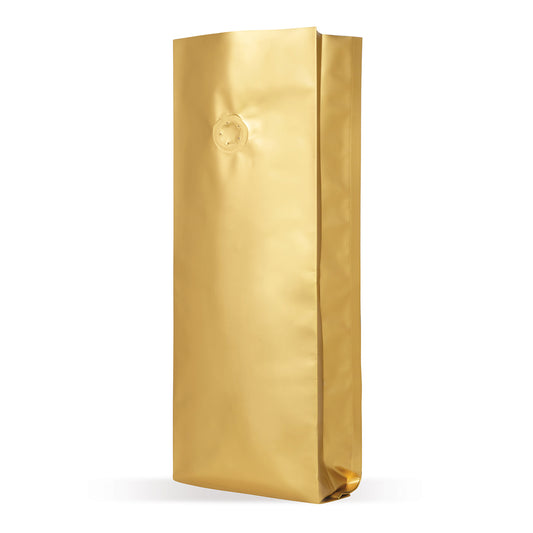
Forms: stand-up pouches with a bottom gusset for shelf presentation, block bottom bags with a square premium box form, side gusset bags with a tin-tie closure, classic for tea manufacturers, as well as aroma bags as secondary packaging for individual tea bags.
All materials are certified for direct food contact in accordance with EU Regulation 10/2011. We supply the declaration of conformity (PIM) with every order on request.
What is tea packaging suitable for?
- Loose tea ranges: stand-up or block bottom bags with an aluminum inner layer for black tea, green tea, oolong, white tea.
- Herbal tea and fruit tea: mono-PE composites are sufficient, as herbs and fruits are less aroma-sensitive than black tea.
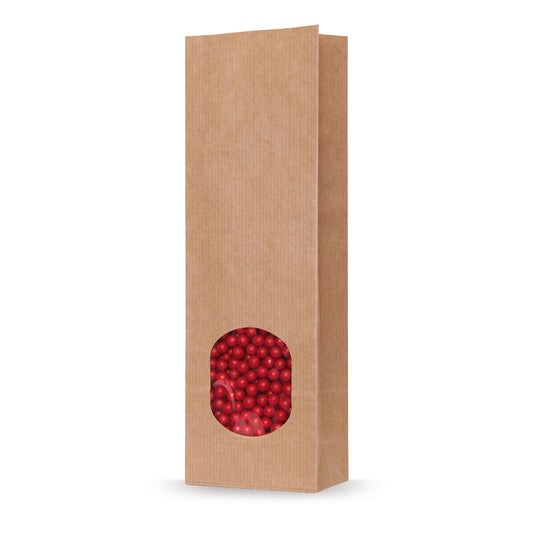
- Rooibos and honeybush: block bottom bags with window for visual POS presentation of the characteristic colour.
- Matcha and powdered tea: high-barrier aluminum composite with zip, as matcha is extremely light- and moisture-sensitive.
- Tea blends and premium ranges: kraft paper outer shell with an aluminum inner side for organic brands and an artisan look.
- Tea-bag secondary packaging: flat bags or stand-up pouches as aroma-protection outer packaging for pre-portioned tea bags.
- Direct marketers and farm shops: kraft paper composites with a compostable PLA inner for sustainability-oriented sales concepts.
Which tea packaging variants are there?
The choice of tea packaging depends on the tea type, best-before requirement and brand positioning:
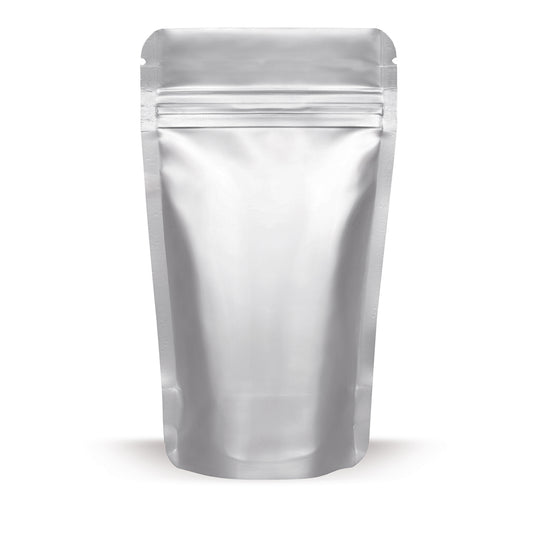
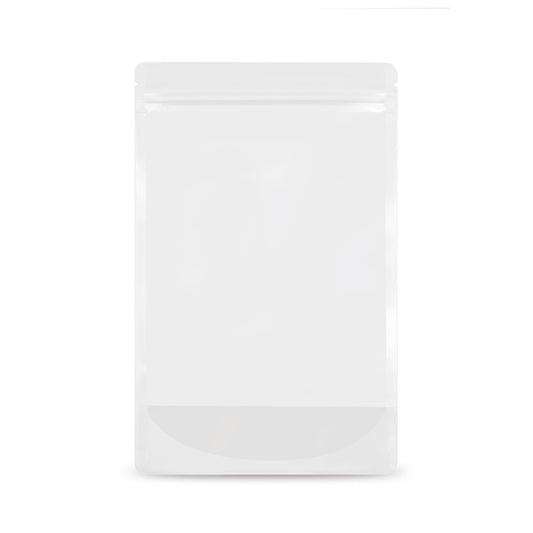
- Stand-up pouches for tea: doypack form with a bottom gusset, zip closure possible – the standard for loose teas in retail.
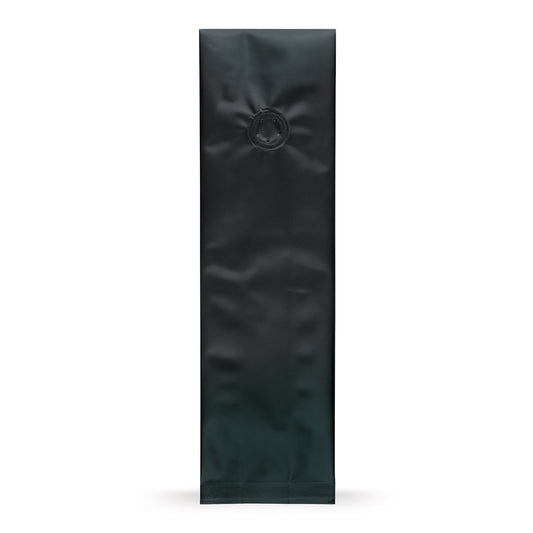
- Block bottom bags for tea: square premium box form with tin-tie or zip, classic for artisan teas.
- Block bottom bags for herbs: a special form for herbal tea ranges with a kraft paper look.
- Block bottom bags with window: for premium tea ranges with visual presentation of the tea leaves.
- Side gusset bags: economical bulk packaging for tea blenders and industrial applications.
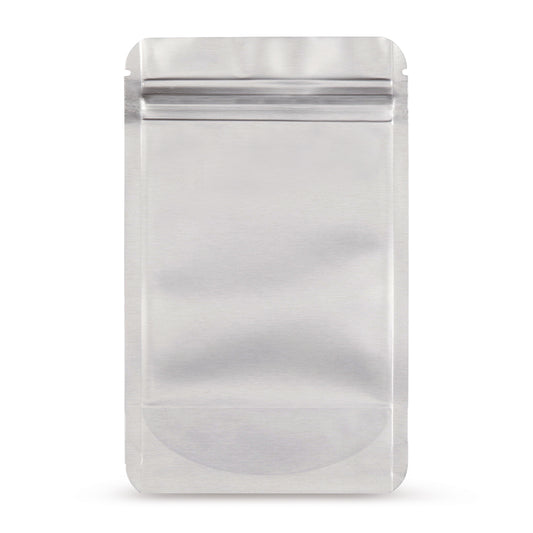
- Aluminum stand-up pouches: maximum barrier for matcha, high-quality green teas and specialty teas.
- Kraft paper stand-up pouches: organic brand look with an aluminum inner side for aroma protection.
- Flat bags with aluminum composite: secondary packaging for pre-portioned tea bags or sample quantities.
Advantages of tea packaging
- Aluminum barrier layer: OTR < 0.1 cm³/m²·24h – complete aroma protection for an 18–24 month best-before date.
- Light barrier almost 100 %: prevents UV breakdown of the essential oils.
- Zip closure options: resealable for consumers, keeps freshness over several weeks.
- Certified food-grade in accordance with EU 10/2011 with a declaration of conformity.
- Printable in compliance with the Food Information Regulation: list of ingredients, steeping time, origin, best-before date directly on the packaging.
- Mono-PE variants for PPWR-compliant recyclability from 2030.
- Kraft paper options for organic tea brands and artisan concepts.
- For private & commercial: all customers – B2B as well as B2C – receive transparent graduated prices directly in the order table, no minimum order value.
- Fast shipping from our German warehouse.
Material properties of tea packaging in detail
Tea packaging requires an aroma barrier against essential oils and a light barrier against UV degradation. The material composite determines flavour retention and best-before length.
PET12 / AL7 / LDPE110 — aluminum high barrier
Three-layer composite of 12 microns PET (print side), 7 microns pure aluminum as a barrier layer and 110 microns LDPE seal layer. OTR < 0.1 cm³/m²·24h, WVTR < 0.1 g/m²·24h, complete aroma and light barrier. Standard for high-quality black tea, green tea, matcha with a best-before date of up to 36 months.
Kraft paper 50g / AL7 / LDPE — paper-aluminum hybrid
Outer side of 50 g/m² natural or dyed kraft paper, behind it 7 microns aluminum lamination as a barrier layer, and an LDPE seal seam on the inside. Visually artisanal, technically almost identical barrier. Popular for organic tea brands, artisan teas and sustainability-oriented brand positioning.
PE / EVOH / PE — mono-PE recyclable
Mono-material composite on a polyethylene basis with a thin EVOH barrier layer (< 5 % share). OTR approx. 1–3 cm³/m²·24h — sufficient for tea with a best-before date of up to 18 months. NIR-detectable in the PE recycling stream, compliant with RecyClass design guidelines, PPWR-compliant from 2030.
OPP / metallised / PE — premium look with high barrier
With a vacuum-metallised intermediate layer (no solid aluminum). Aroma and light barrier almost 100 %, visually high-gloss. Suitable for premium tea ranges with a visual brand presentation.
Kraft paper / PLA — compostable
Composite of a kraft paper outer side and a polylactic acid inner film, certified in accordance with EN 13432 for industrial composting. For direct marketers and farm shops with quick tea turnover. Not suitable for a long best-before date — PLA degrades under prolonged moisture exposure.
Zip and tin-tie closures
Optional PE zip closures for repeated opening by consumers — standard for premium tea. The tin-tie closure (paper-wrapped wire) is classic for artisan teas in side gusset bags. Both components are certified food-grade.
All materials are certified for food contact in accordance with EU Regulation 10/2011. We supply the declaration of conformity (PIM) with every order on request.
Individual customisation — printing, special sizes and closures
Tea packaging is a classic brand carrier for tea manufacturers and organic brands — printing and appearance directly determine the perception at the point of sale.
Printing processes and colour range
Printing in rotogravure with up to 10 colours, including Pantone spot colours, metallic effects and partial high-gloss or soft-touch varnish. High-resolution photo rendering of tea leaves, origin plantations and artisan portraits possible. Digital proofs available on request for approval before production.
Layout design compliant with the Food Information Regulation
We design the packaging in compliance with the Food Information Regulation with list of ingredients, allergen information, nutrition table (on request), steeping-time recommendation, water-temperature note, origin and a mandatory best-before-date field. Translation for export markets on request.
Special sizes and special forms
Format adjustments in width (60–250 mm), height (90–400 mm) and bottom gusset depth (30–100 mm). Standard tea formats for 50 / 100 / 250 / 500 g / 1 kg fill content. Optionally we integrate a zipper reseal, tin-tie, window, Euro hole or tear notch.
We clarify minimum quantity and delivery time on an individual basis following your enquiry. Our technical sales team is available for brand conception and material recommendation. Contact us for a specific quote.
Sustainability and the EU Packaging Regulation (PPWR)
The EU Packaging Regulation (PPWR) fundamentally changes the requirements for tea packaging from 2030: multi-material composites with solid aluminum will fall out of material recycling unless a technical exemption applies.
Mono-PE for standard teas
For teas with a best-before date of up to 18 months (herbal tea, fruit tea, standard black tea), mono-PE (PE/EVOH/PE) is a fully equivalent alternative to the aluminum variant. NIR-detectable in the PE stream, RecyClass-certified. Already in use at several tea manufacturers.
High barrier for specialty teas after 2030
For aroma-sensitive premium tea with a best-before date > 24 months (matcha, high-quality green teas, specialty black teas), aluminum composites remain without an equivalent technical replacement. The PPWR provides for technical exemptions here, but with extended recycling obligations for those placing products on the market.
Compostable packaging for organic brands
Kraft paper/PLA composites in accordance with EN 13432 are industrially compostable — suitable for organic tea brands, farm shops and direct marketers with quick tea turnover. In home compost, PLA degrades considerably more slowly; disposal belongs in the organic waste bin, not in your own compost.
FSC-certified kraft paper
On request we supply tea packaging with FSC-certified kraft paper — proof of sustainable forestry, important for organic tea brands and sustainability-oriented communication with end consumers.
Material efficiency through optimal dimensioning
Where possible we advise on film thinning and the correct format choice: 80 microns instead of 110 microns saves approx. 27 % material with a comparable aroma barrier for moderate best-before requirements.
Frequently Asked Questions about Tea Packaging
Which tea packaging is best suited for loose tea?
For loose tea with a high aroma requirement (black tea, green tea, matcha): an aluminum composite with a zip closure as a stand-up pouch or block bottom bag. For herbal and fruit tea, mono-PE is sufficient.
Do I need an aroma valve like with coffee?
No. Tea does not release CO₂ after processing — the aroma valve is a coffee speciality. For tea, a tight seal seam and an optional zip closure for repeated opening are sufficient.
Which packaging for matcha powder?
Matcha is extremely sensitive to light, moisture and oxygen. Recommendation: a small aluminum stand-up pouch with zip or block bottom bag in a 30 g / 50 g / 100 g format. After opening, store protected from light and refrigerated.
Which packaging for organic tea?
For organic brands: kraft paper stand-up pouches or kraft paper block bottom bags with an aluminum inner side. Visually artisanal, technically the same aroma protection as pure aluminum composites.
Which sizes are common?
Standard tea formats: 50 g (sample size, 80×140 mm), 100 g (120×200 mm), 250 g (140×230 mm), 500 g (170×280 mm), 1 kg (200×320 mm). For tea blenders also 2.5 kg / 5 kg as bulk containers.
What does the PPWR mean for tea packaging?
The EU Packaging Regulation from 2030 prohibits multi-material composites with aluminum in material recycling. Mono-PE composites with an EVOH barrier layer are the future-proof solution for tea with a best-before date of up to 18 months. For specialty teas with a longer best-before date, aluminum exemptions remain.
With or without a window?
Windows give a premium look at the POS and make sense for tea leaves, herbal blends and fruit tea with visual beauty (rose blossoms, hibiscus, lavender). For matcha and black tea they can usually be dispensed with, as the appearance is not decisive for the sale.
How long is the best-before date with correctly packed tea?
With an aluminum composite: 24–36 months. With mono-PE/EVOH: 12–18 months. With pure kraft paper without a barrier: 6–9 months (only for fast turnover in direct sales).
Can I have the packaging individually printed?
Yes — rotogravure with up to 10 colours, including Pantone spot colours, metallic effects and partial varnish. Layout design compliant with the Food Information Regulation with list of ingredients, steeping-time recommendation and variety description. Minimum quantity on request.
Are there compostable tea packaging options?
Yes — a kraft paper/PLA composite industrially compostable in accordance with EN 13432. Suitable for direct marketers and farm shops with quick tea turnover. Not recommended for a long best-before date or online shipping with storage.
What about a tin-tie closure?
The tin-tie closure (paper-wrapped wire) is classic for premium tea manufacturers, especially with side gusset bags. Closed by hand, reusable. Visually artisanal, technically sufficient for tea with a moderate aroma requirement.
Which packaging for pre-portioned tea bags?
For secondary packaging of tea bags (e.g. 20 bags of 2 g each): flat bags or stand-up pouches with an aluminum composite as aroma-protection outer packaging. The tea bags themselves are usually made of paper or PLA filter paper.
Do you send samples before the order?
Yes — we send samples of all standard sizes before the order. Bespoke production (printing, special sizes) on request via the contact form.