
-
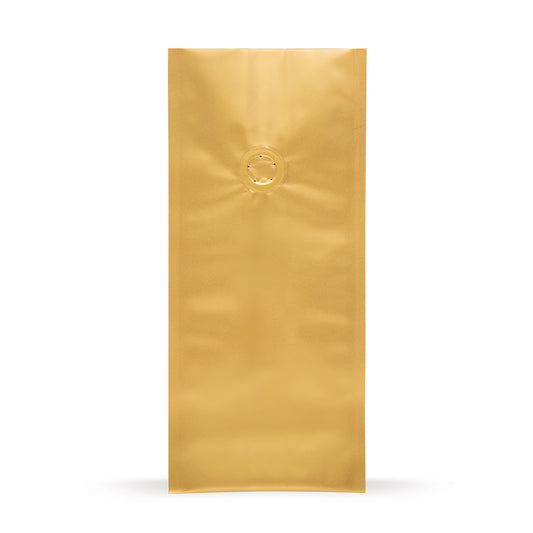 Regular price From 233,20 €Regular price
 -
 Regular price From 139,02 €Regular price
 -
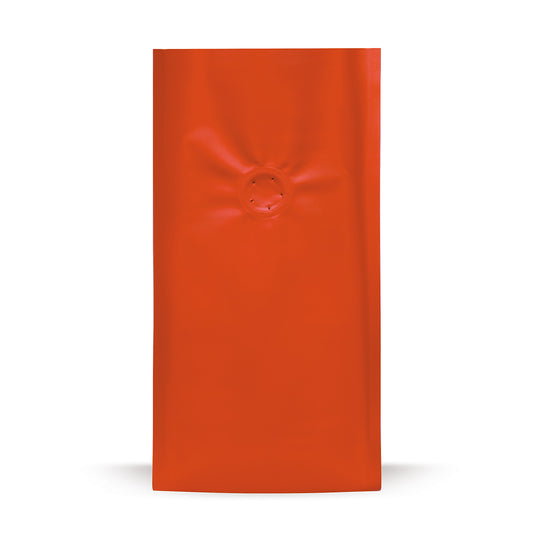
 Regular price From 233,20 €Regular price
 -
 Regular price From 233,20 €Regular price
 -
 Regular price From 205,69 €Regular price
 -
 Regular price From 233,20 €Regular price
 -
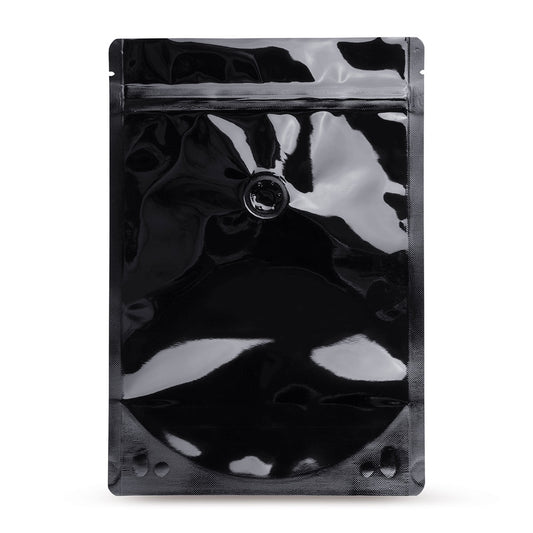
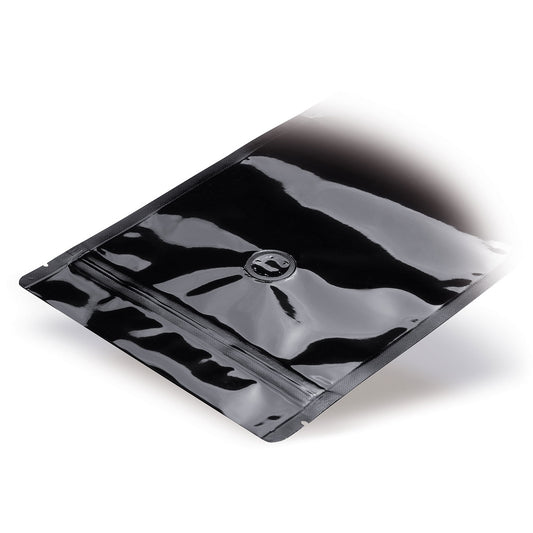 Regular price From 190,96 €Regular price
 -
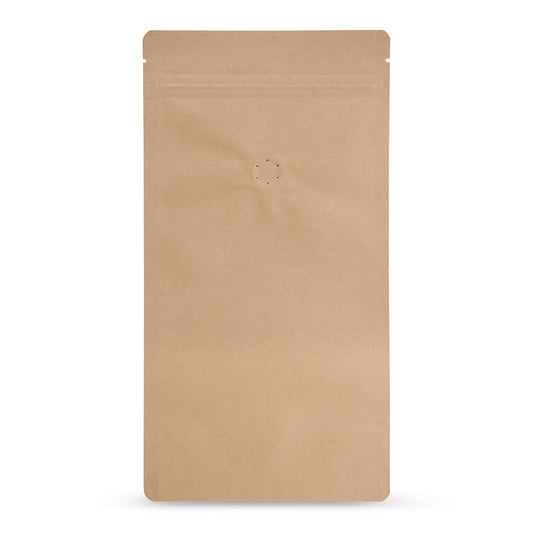
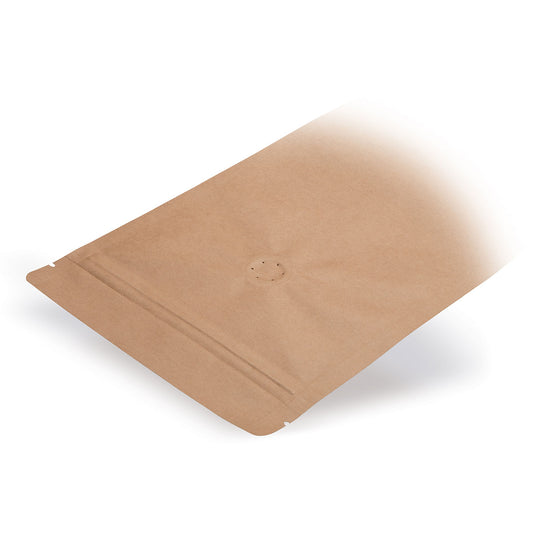 Regular price From 156,20 €Regular price
 -
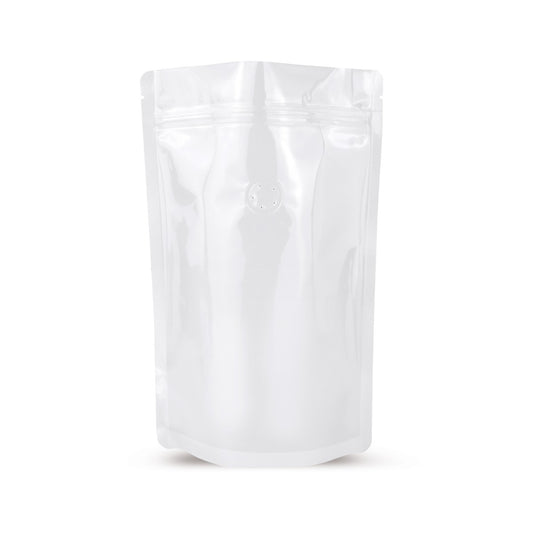
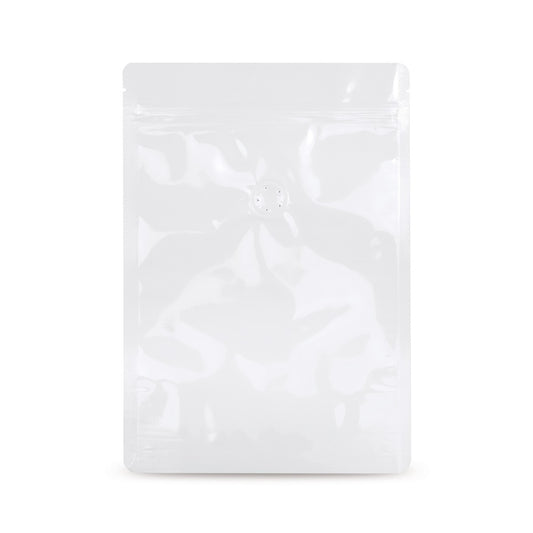 Regular price From 182,44 €Regular price
 -
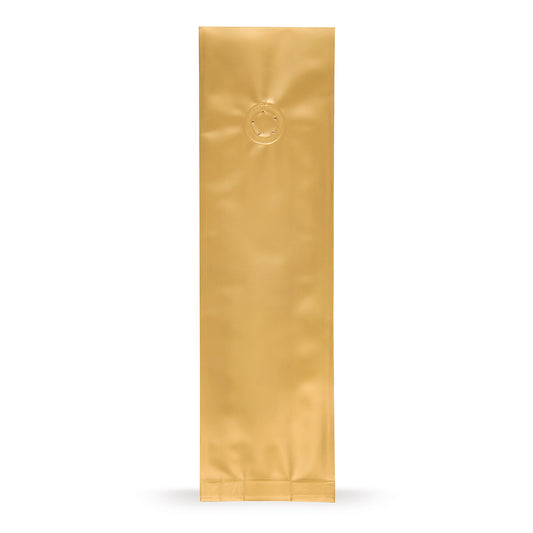
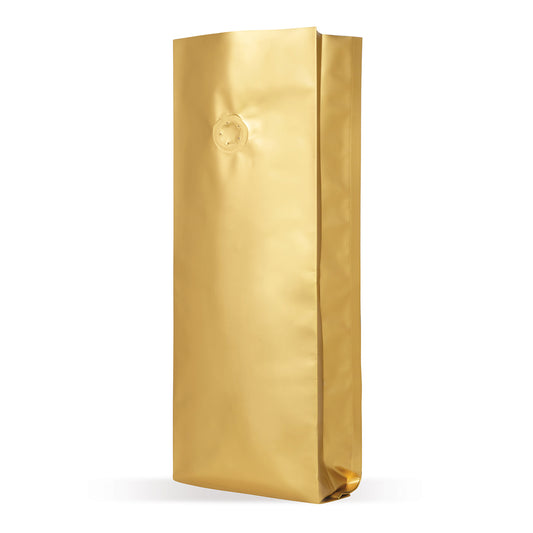 Regular price From 235,04 €Regular price
 -
 Regular price From 228,18 €Regular price
More coffee packaging
- Coffee bags
- Coffee bags with aroma protection valve
- Side gusset bags for coffee
- Block bottom bags for coffee
- Stand-up pouches for coffee
- Stand-up pouches with valve
Popular individual products from this range:
Shipping & Terms
Shipping from our German warehouse. Standard sizes are usually in stock; custom printing is arranged individually within the delivery lead time. No minimum order value. Roasteries and B2B customers receive volume pricing. Free samples via our enquiry form.
What are coffee bags for ground coffee and beans?
Coffee bags for ground coffee and beans are specialised food packaging tailored to the differing requirements of the two processing stages. Freshly roasted beans have their aroma potential intact but release a great deal of CO2 in the first few days after roasting – the packaging must let these gases escape without admitting oxygen. Ground coffee is considerably more oxygen-sensitive, because the larger surface area causes the aroma to outgas extremely quickly – here the aroma barrier matters even more than CO2 degassing.
Our specialist coffee bag category covers both cases with adapted material variants. For beans, side gusset bags or stand-up pouches with aluminum laminate and an aroma protection valve are the standard. For ground coffee we rely on high-barrier films with a particularly dense aluminum layer and a reduced residual-air content during filling. For single-serving packaging (coffee pods, ESE pads, pour-over bags), specially adapted film configurations are available.
The premium coffee market has expanded strongly in recent years. Specialty coffee roasters, single-origin brands and cold brew producers need packaging that lives up to their premium standards. We offer matte high-gloss finishes, kraft-paper-imitating outer layers, custom printing and sustainability variants (mono-material, PCR recyclate) – all in food-grade quality to EU 10/2011.
What are coffee bags for beans and ground coffee suitable for?
- Artisan roasteries: both whole beans and the ground variety
- Single-origin specialty coffee: premium beans with high packaging standards
- Filter and espresso market: both processing stages in one range
- Pour-over and cold brew producers: special coffee variations
- Office coffee & hospitality ranges: both grinds for different machines
- Tasting and sampler sets: a mix of beans and ground samples
Which coffee bags are the right ones?
- Beans with aroma protection valve: essential for freshly roasted beans due to CO2 build-up
- Ground without valve: no more CO2 build-up, but maximum aroma barrier
- Fill volume 125–250 g: premium and specialty ranges
- Fill volume 500 g: standard retail packaging
- Fill volume 1 kg: hospitality and office coffee packs
- With zip closure: resealability for end-customer aroma protection
- Aluminum laminate: maximum aroma protection for premium markets
- Mono-material variant: sustainable with a reduced barrier
Your benefits with coffee bags for beans and ground coffee
We have imported premium packaging bags directly from the manufacturer since 1976. For coffee producers who offer both beans and the ground variety, this means consistent packaging quality from a single source, with two sensibly differentiated film configurations. That way you can present your range consistently without juggling different suppliers.
Our packaging specialists advise on both requirements: for beans, an aroma protection valve is usually essential, since freshly roasted beans continue to release CO2. For ground coffee, the aroma barrier matters more than CO2 degassing – here we recommend the variant without a valve but with a particularly dense laminate film. For premium grind editions (freshly ground on the day of sale), special films with oxygen-absorber sachets are available.
Shipping is from our German warehouse. Standard sizes are usually in stock; custom printing is arranged individually within the delivery lead time. All customers – B2B and B2C alike – receive volume pricing. Free samples for aroma testing are of course included.
Frequently Asked Questions about Coffee Bags for Beans and Ground Coffee
Do whole beans and ground coffee need different packaging?
Yes, slightly different. Beans need an aroma protection valve for CO2 degassing; ground coffee does not (no more CO2), but it needs a particularly high aroma barrier because of its larger surface area. The film is usually identical, with the valve often being the only difference.
Why does ground coffee lose its aroma more quickly?
Grinding increases the surface area of the coffee particles many times over. With the same packaging, more oxygen reaches more coffee surface – so aroma oxidation runs correspondingly faster. Hence the recommendation to buy whole beans and grind them shortly before preparation.
How long does ground coffee keep once packaged?
With an aluminum laminate and a clean initial seal, 6–12 months unopened, depending on the grind and variety. Once opened, ground coffee should be used within 1–2 weeks. Beans last longer: 12–18 months unopened, 2–4 weeks after opening.
Which fill size makes sense?
For ground coffee we recommend smaller sizes (125–250 g), so the end customer uses the pack up quickly and the aroma is not lost. For beans, 250–500 g is usual. For hospitality, 1 kg.
When does an aroma protection valve make sense?
For freshly roasted beans it is almost mandatory. For long-stored or vacuum-packed beans it can be omitted. For ground coffee a valve is not useful, since no more CO2 is released.
Which film for specialty coffee?
For single-origin and premium specialty we recommend an aluminum laminate with a matte high-gloss print. For organic and eco brands, EVOH high-barrier or mono-material as an alternative.
With or without a zip closure?
For both processing stages a zip closure is now standard – end customers open the pack repeatedly. For large hospitality packs the zip can be omitted.
How do the bags for espresso and filter coffee differ?
The packaging itself is identical – only the roast and grind of the coffee matter. Espresso typically has a darker roast and finer grind, filter a medium roast and medium grind. In packaging terms both are equally demanding.
Can organic logos be printed on?
Yes, provided the relevant certificates are in place. The EU organic logo, Fairtrade, Rainforest Alliance, Demeter and others can be printed. For premium organic coffee we recommend a matte natural look with high-contrast organic logos.
Are sustainable coffee bags available?
Yes, EVOH high-barrier without aluminum and mono-material variants are available. For organic coffee roasters these are a visible choice. The aroma barrier is slightly lower than with an aluminum laminate, but sufficient for standard coffees.
What quantities should I order?
Stock items in standard sizes are available from our warehouse. Custom printing is worthwhile from larger print runs. For artisan roasteries we recommend starting with standard labelling.