
-
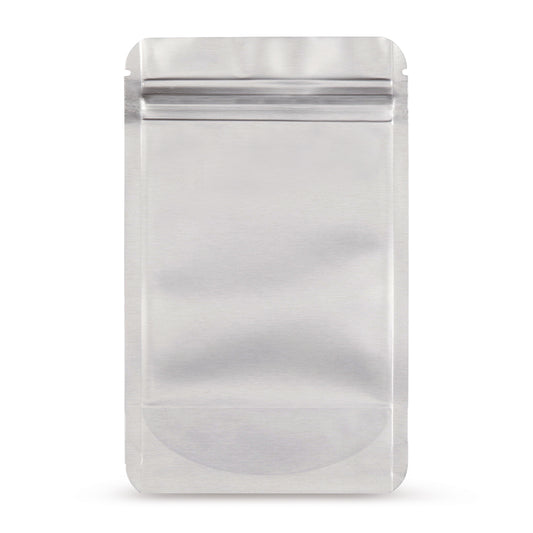
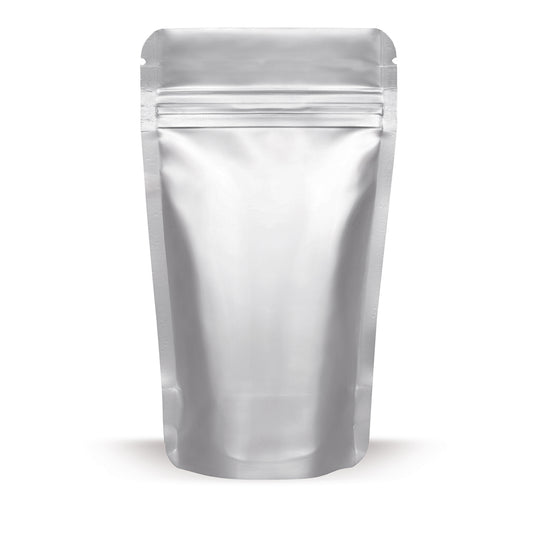 Regular price From 77,08 €Regular price
 -
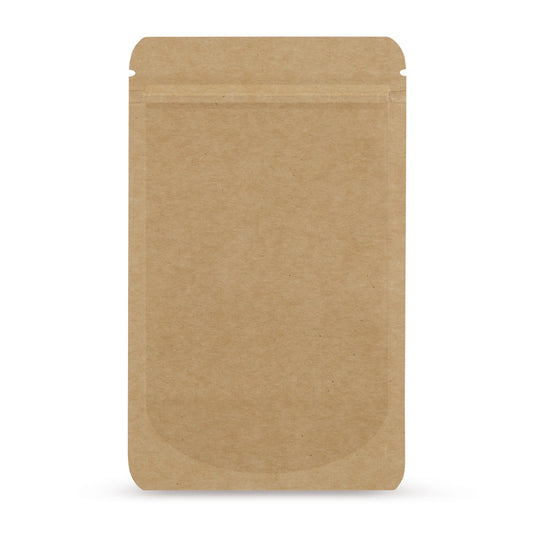
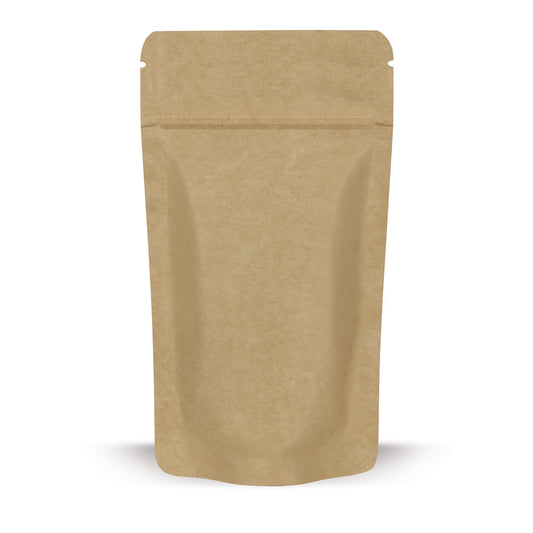 Regular price From 66,02 €Regular price
 -
 Regular price From 87,51 €Regular price
 -
 Regular price From 162,70 €Regular price
 -
 Regular price From 156,20 €Regular price
 -
 Regular price From 79,81 €Regular price
 -
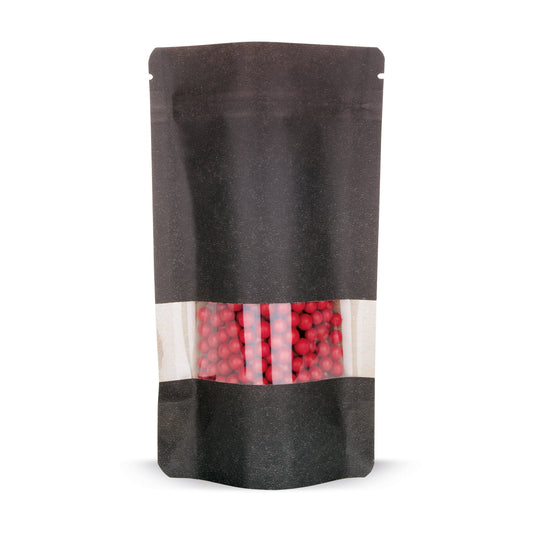
 Regular price From 76,49 €Regular price
 -
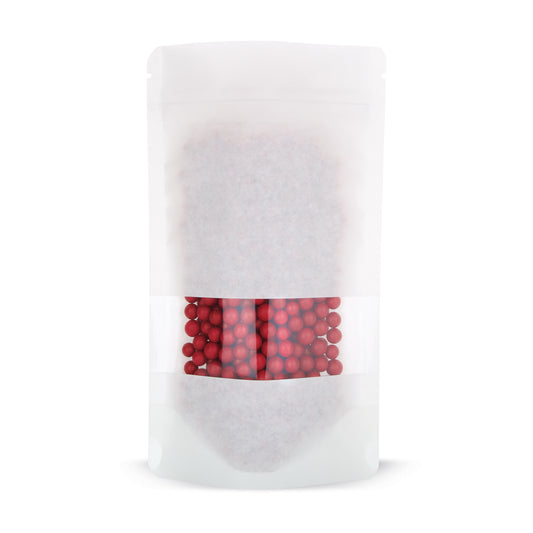
 Regular price From 69,10 €Regular price
 -
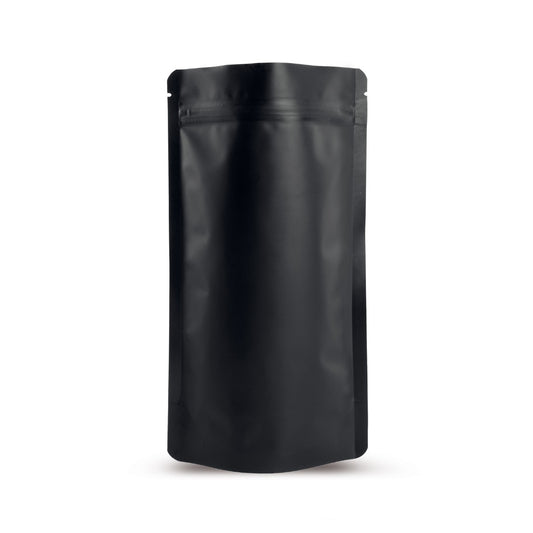
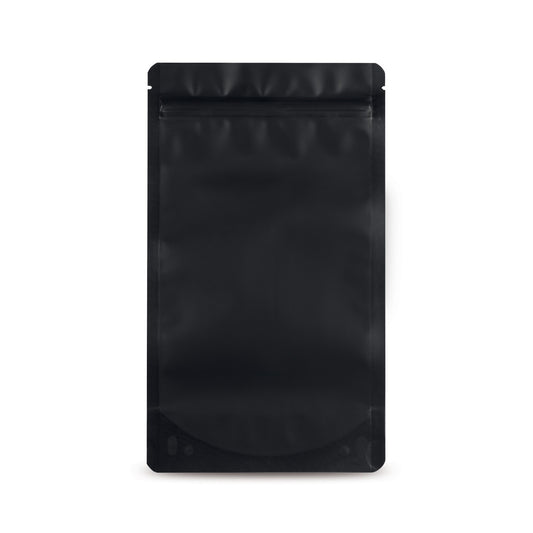 Regular price From 53,15 €Regular price
 -
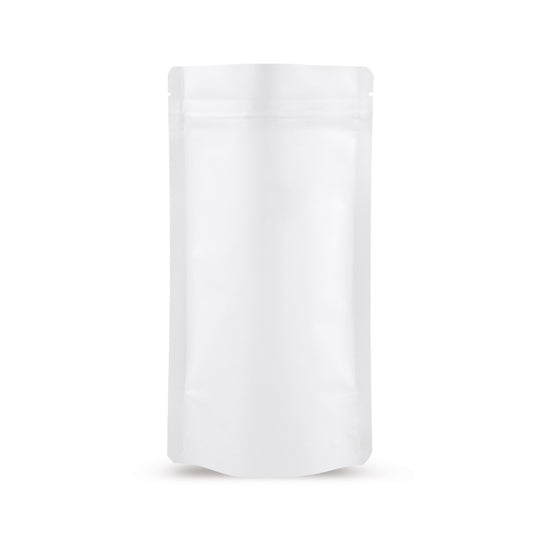
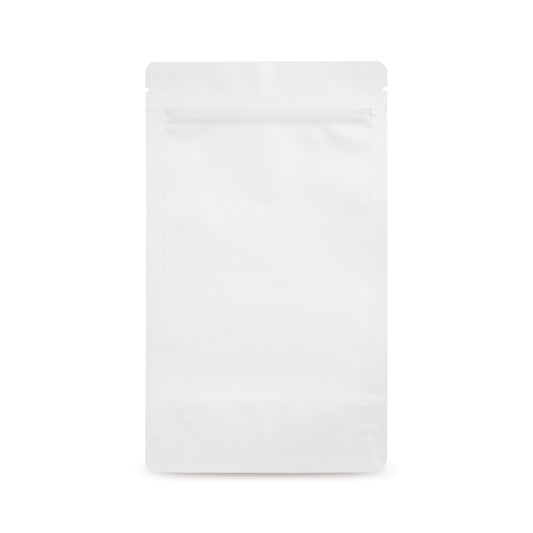 Regular price From 53,15 €Regular price
 -
 Regular price From 70,40 €Regular price
 -
 Regular price From 190,96 €Regular price
 -
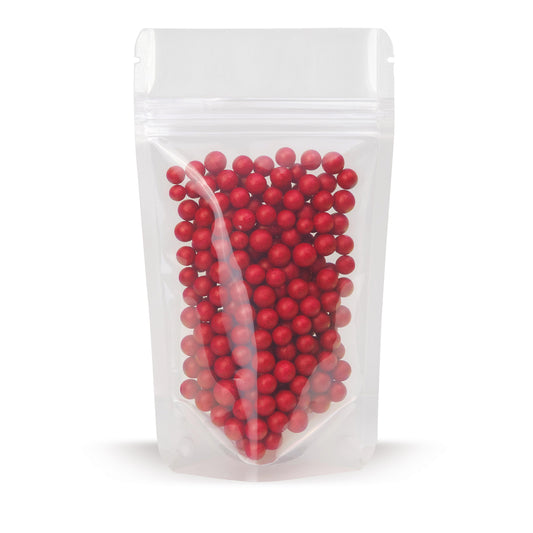
 Regular price From 60,74 €Regular price
 -
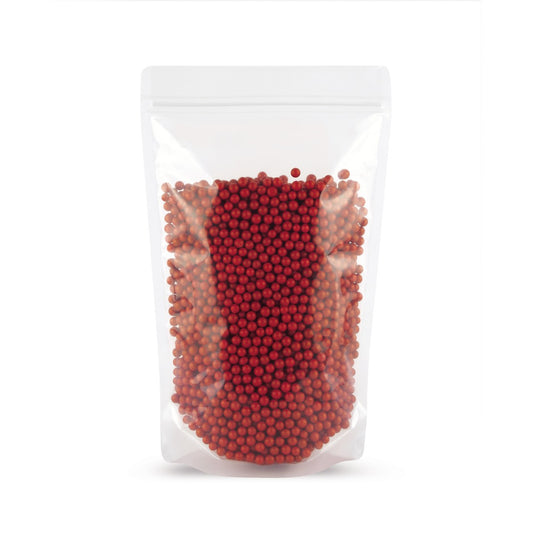
 Regular price From 91,43 €Regular price
 -
 Regular price From 36,96 €Regular price
 -
 Regular price From 70,40 €Regular price
 -
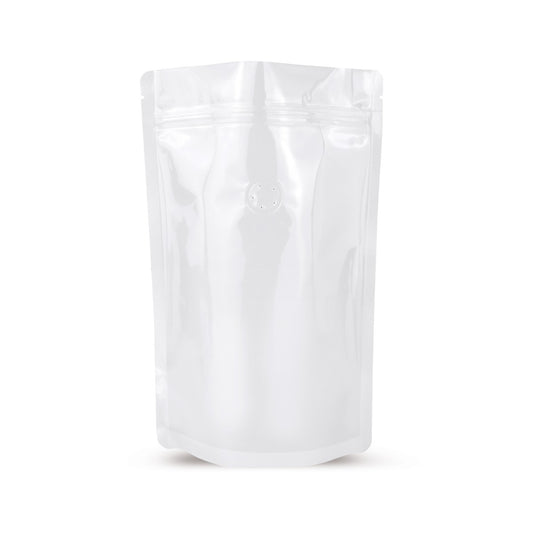
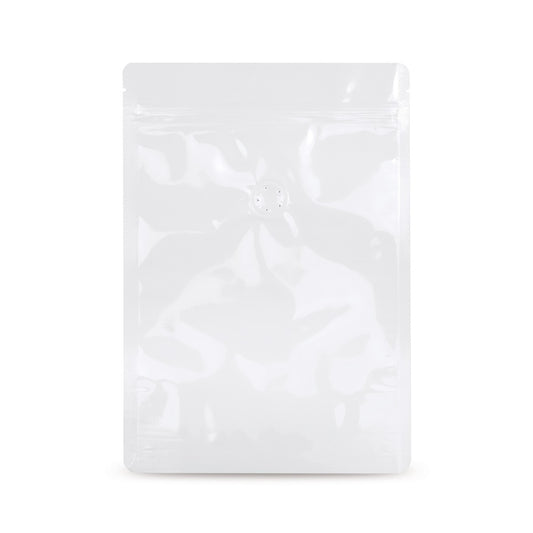 Regular price From 182,44 €Regular price
Related stand-up pouches
- Stand-up pouches overview
- Sustainable stand-up pouches
- Stand-up pouches with PCR recyclate
- Stand-up pouches made of kraft paper
- Stand-up pouches with zip
- Stand-up pouches for food
Popular individual products from this range:
Shipping & Terms
Shipping from our German warehouse. Mono-material standard sizes are generally in stock; custom printing is scheduled individually within the delivery time. No minimum order value. All customers with graduated prices (B2B and B2C alike). Free samples via our enquiry form.
What are recyclable stand-up pouches?
Recyclable stand-up pouches are doypacks that are designed so that they can return to the material loop after use – typically via kerbside collection or similar collection systems in the EU. The prerequisite for this is a mono-material construction: instead of the classic laminate film made of PET, aluminum and PE, the pouch consists of only one type of plastic (mono-PE or mono-PP) that can be sorted and reprocessed in standard recycling plants.
Conventional laminate doypacks have a weak point: in practice the multiple layers can no longer be separated from one another. Even if the end customer correctly throws them into kerbside collection, they usually end up in the residual waste fraction and are recovered thermally. Mono-material doypacks fix the problem at source: they are recognised in the recycling stream as pure PE or PP and find their way back to new granulate.
The trade-off: mono-material films have a slightly lower barrier effect than classic laminate films with aluminum. For many products this is unproblematic – dry goods, muesli, pasta, powders, pet food, natural foods. For extremely aroma-sensitive products (coffee, matcha) you have to weigh full recyclability against maximum aroma barrier. Our packaging specialists advise you individually on which mono-material variant suits your product profile.
What are recyclable mono-material doypacks suitable for?
- Dry foods: muesli, dried fruit, nuts, snacks, dried pasta
- Powder & granulate products: food supplements, protein powder, baking mixes
- Pet food & treats: dog and cat food in end-customer convenience sizes
- Cosmetic refills: bath salts, care masks, powder cleansers
- Organic brands: brands with an explicit circularity promise need recyclable packaging
- Refill packs: refill concepts where the packaging is later recycled
Which recyclable variant is the right one?
- Mono-PE construction: standard for food and cosmetics, soft feel, very widely recyclable
- Mono-PP construction: slightly higher temperature resistance, good for hot filling
- With or without a window: mono-material windows are technically possible (no PET layer)
- Zip closure: mono-material zips are available – important for reclosability
- Sizes: from the 100 g small pack to the 5 kg refill format
- Combination with PCR: mono-PE with recyclate content closes the loop twice over
- Printing: recycling logo (resin code) clearly visible for end-customer sorting
Your advantages with recyclable doypacks from Elke Plastic
We have been importing packaging bags directly from the manufacturer since 1976. For recyclable mono-material doypacks this is especially important, because the quality differences between suppliers are large here: some films are sold as “recyclable” but fail at the real sorting plant due to too thin a construction or a poorly readable resin code. Our suppliers are certified by independent institutes (e.g. Interseroh, RecyClass), so that you can substantiate your marketing claims robustly.
Our packaging specialists know the pitfalls: which machine settings do mono-PE films need? How do you prevent waviness during heat sealing? Which printing inks are compatible with the recycling stream? We help you make the right decisions from the outset – instead of learning what really works after three runs and a complaint case.
Shipping is from our German warehouse. Standard goods are available in stock in a mono-PE construction; custom printing is scheduled in terms of time. No minimum order value. B2B customers benefit from graduated prices. Free samples are a matter of course – test the mono-material variant on your machine before you commit.
Frequently asked questions about recyclable stand-up pouches
What does “recyclable” mean for a stand-up pouch?
Recyclable means: the pouch can be returned to the material loop after use. In practice this means a mono-material construction (only one type of plastic), a recognisable resin code and sortability in common plants. Classic laminate films with aluminum are technically not recyclable and end up in residual waste.
What is the difference between recyclable and recycled?
Recycled = made from used material (PCR – post-consumer recyclate). Recyclable = can become granulate again after use. Ideally a packaging is both. Mono-PE doypacks with PCR content are the optimum: recycled once, then recyclable again.
Does a mono-material doypack belong in kerbside collection?
Yes. Mono-PE and mono-PP belong in kerbside collection (in Germany) or the corresponding collection system in other EU countries. For this to be recognised, the resin code (e.g. PE-LD, PP) should be printed clearly visibly.
How does mono-material differ from a mono-PE laminate?
The term “mono-material” means that all layers consist of the same type of plastic – i.e. mono-PE (all layers PE) or mono-PP (all layers PP). It is not a contradiction to a multi-layer construction – the layers may have different densities or functions but must belong to the same polymer family.
What barrier effect do mono-material doypacks have?
Mono-PE doypacks offer a good moisture barrier and sufficient mechanical protection for most applications. The oxygen and aroma barrier is, however, lower than with classic PET/alu/PE laminates. For aroma-sensitive products (coffee, tea, spices) there are mono-material variants with an additional EVOH layer – which are still recycled within the PE family.
Are recyclable doypacks food-grade?
Yes, mono-material doypacks are available food-grade in accordance with EU 10/2011 – both as virgin material and with food-grade PCR content. We supply the corresponding declarations of conformity on request.
What quantities make sense for mono-material doypacks?
Stock items in standard sizes are available from the warehouse. Custom printing becomes worthwhile from larger runs – the surcharge over conventional laminate films then falls significantly.
What do I have to communicate on the packaging?
Ideally: resin code (PE-LD, PP) clearly visible, a note “belongs in kerbside collection”, optionally a recycling logo. Avoid vague claims such as “fully recyclable” if this only applies under ideal conditions – this could be deemed misleading.
Are windows compatible with mono-material?
Yes, mono-material windows are technically available – in mono-PE films typically as a clear PE viewing pane. As PE appears slightly milkier than PET, the clear-view effect is lower, but completely sufficient for most product presentations.
Can I vacuum-pack mono-material doypacks?
Only to a limited extent. Pure mono-PE films have less mechanical strength and oxygen barrier than PA/PE laminates. For vacuum applications we recommend mono-PE with an EVOH layer – which combines recyclability with a sufficient barrier.
How is recyclability certified?
Independent institutes such as cyclos-HTP, RecyClass or Interseroh test and certify the recyclability of packaging. For our mono-material doypacks the corresponding certificates are in place – we forward them on request for the documentation of your supplier assessment.